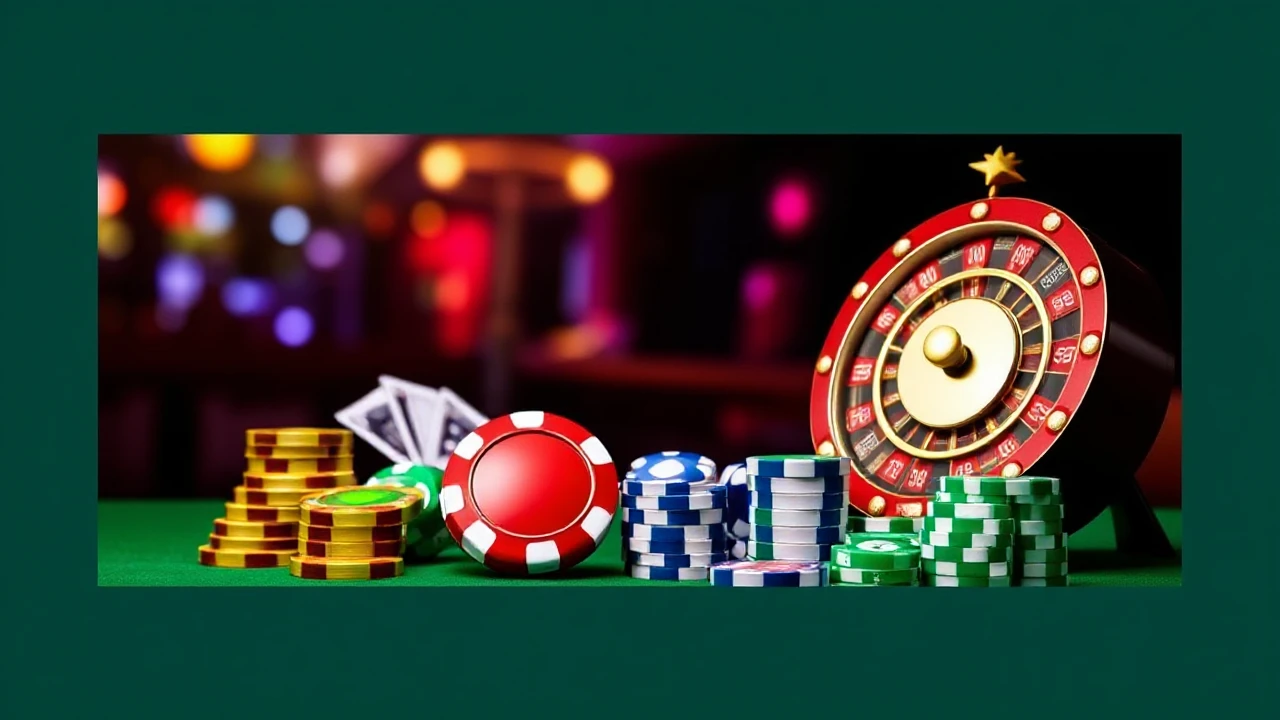

When you step into a gambling establishment, have you ever stopped to consider why it looks and feels the way it does? Gaming houses are meticulously designed to create a specific atmosphere that promotes gambling and keeps players coming back for more, much like the appeal of онлайн слоти.
Key Elements of Casino Design
1. Colour Psychology: Colours used in gambling establishments are not chosen at random. Red, for example, is often associated with luck and thrill, while blue is calming and reduces stress levels.
2. Arrangement Strategies: Casino layouts are carefully planned to retain players engaged and confused. Maze-like designs and few windows or clocks make it hard for people to track time.
3. Lighting Effects: Lighting plays a crucial role in establishing the mood in a gambling establishment. Soft, warm lighting creates a relaxing environment, while bright lights highlight the action on the gaming floor.
The Impact of Sound Design
Sound is another critical element in casino design. Harmonious tunes and subtle sounds of success create a upbeat atmosphere and motivate guests to keep betting.
Mind Games at Play
Gaming houses employ various psychological tactics to retain players hooked:
- Incentives Systems: Offering complimentary drinks, food, or accommodation creates a sense of reciprocity.
- Near Victories: Showing near wins on gaming machines encourages players to continue playing.
- Illusion of Control: Providing choices like pressing a button on a gaming machine gives guests a false sense of control.
Within a gaming house, every design choice is intentional and aimed at affecting guest behavior.
Infusing Comfort within the Design
Despite the complex strategies to retain patrons engaged, gaming house designs also focus on convenience. Luxurious seating, complimentary drinks, and nicely-ventilated spaces ensure players feel relaxed.
Conclusion: Taking Insights to One's Advantage
Understanding the psychology behind casino design can help gamblers make informed choices and enjoy a good experience while betting. Next time, observe these factors and witness how they influence your actions.